
What is hazardous waste? Learn what makes waste hazardous, the main types and examples, and how to dispose of it safely and compliantly with CDDL Recycling in Kent.
What Is Hazardous Waste?
Hazardous waste is any waste that is harmful, or potentially harmful, to human health or the environment if handled, stored, or disposed of incorrectly because of its chemical, physical, or biological properties.
Waste gets classified as hazardous because of specific dangerous traits:
- Toxicity: It is poisonous or harmful when swallowed, touched, or breathed in (e.g., heavy metals like lead or mercury).
- Flammability (Ignitability): It can easily catch fire or cause a fire under normal conditions (e.g., petrol, solvents, and certain oils).
- Corrosivity: It is a strong acid or base that can burn skin or eat through metal (e.g., industrial cleaning agents or battery acid).
- Reactivity: It is unstable, reacts violently with water, or can explode and release toxic gases.
- Infectiousness: It contains biological agents or live pathogens that can spread disease (e.g., clinical or medical waste)
Hazardous waste can display a number of recognised hazardous properties, known as HP1 to HP15. These include explosive, flammable, toxic, corrosive, infectious and environmentally hazardous properties.

Common Types of Hazardous Waste
Hazardous waste covers many different materials and substances. What they have in common is that they require additional care during handling, storage, transportation and disposal because of the risks they can present to people or the environment. Common types of hazardous waste include:
- Chemical and Industrial Waste: Solvents, paint thinners, wood preservatives, and cleaning agents.
- Batteries, Lamps and Chemical Products: Batteries, fluorescent tubes, pesticides and other products containing hazardous substances.
- Automotive and Oil Waste: Used motor oil, brake fluid, and antifreeze.
- Hazardous Electrical Waste: Certain WEEE items may contain hazardous components such as lead, mercury, refrigerants or other harmful substances and require specialist disposal.
- Clinical and Healthcare Waste: Certain healthcare waste may be hazardous because it is infectious, chemically contaminated or contains medicines or sharps.
- Building Materials: Damaged or old asbestos and materials containing polychlorinated biphenyls (PCBs).
Business may not realise that many of these materials are used in everyday life, and disposing of these incorrectly can affect compliance.

Hazardous Waste in Businesses
A business might not realise that some materials are classified as hazardous. Unlike household waste, hazardous business waste cannot be disposed of through regular council collection services. Some of these materials may include:
- Asbestos-From construction, demolition, or refurbishment work
- Clinical and healthcare waste-Where it displays an infectious or hazardous property
- Hair & Beauty Salons – Chemical-based hair dyes, nail polish remover, and peroxide
- Electrical and electronic equipment-Certain WEEE items requiring specialist handling
- Tattoo Studios & Aesthetics Clinics – Needles, ink cartridges, and contaminated swabs
Improper disposal can lead to legal issues, environmental harm, and even health risks which is why a business must arrange specialist waste collection to comply with regulations and have hazardous waste disposed of properly.
Hazardous Waste in Households
In homes, everyday items can fall into the category of hazardous waste which is why it’s essential to know how to handle them safely. Items can include:
- Fluorescent Light Bulbs – These contain mercury, which can be extremely harmful if released into the environment.
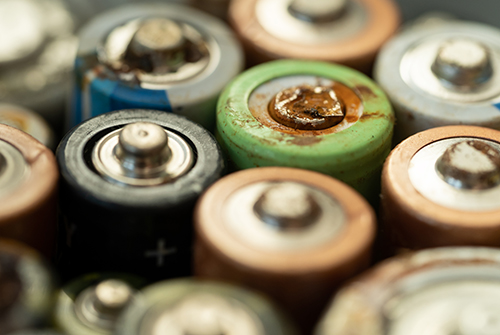
- Batteries – Single-use and rechargeable batteries contain heavy metals such as cadmium, mercury, and lead. Throwing them in the bin risks soil and water contamination.
- Pesticides & Herbicides – Chemicals intended to kill pests can also be dangerous to humans and wildlife.
- E-Waste – Old electronics, including phones, laptops, and printers, often contain lead, cadmium, and other toxic components.
- Aerosol Sprays – Spray paints, deodorants, and air fresheners are flammable and may contain harmful propellants.
Many people will often dispose of hazardous waste without knowing or checking the correct way to dispose of an object so it is important to understand the differences from regular and hazardous waste.
What Is the Difference Between Hazardous and Non-Hazardous Waste?
The main difference is the risk the waste presents. Non-hazardous waste does not normally contain substances or properties that pose a significant risk to people or the environment when managed correctly.
Hazardous waste contains substances or displays properties that require additional controls during storage, transportation and disposal.
Importantly, you cannot always tell whether waste is hazardous just by looking at it, which is why correct waste classification is essential.
Is Biohazardous Waste a Type of Hazardous Waste?
Biohazardous waste is waste that may contain biological material capable of causing infection. Examples can include contaminated dressings, swabs and sharps, as well as some waste produced when cleaning blood or bodily fluids. It may arise in healthcare settings, tattoo studios, workplaces or other premises where an incident has occurred.
The term describes the biological risk, but it does not tell you everything you need to know about disposal. Infectious clinical waste is classified as hazardous waste, while other healthcare waste may have a different classification. The decision depends on where the waste came from, what it contains and whether it is assessed as infectious. The Environment Agency’s guidance on classifying healthcare and related waste explains the distinction.
This matters after biohazardous waste cleaning. Removing visible contamination can leave used gloves, absorbent materials and other items that also need to be assessed. They should be segregated and collected according to their correct waste classification, rather than automatically placed in a general waste bin.
If your business has waste contaminated with blood, bodily fluids or potentially infectious material, CDDL Recycling can discuss the waste you need to dispose of and the appropriate collection arrangements. Contact our team for advice.
Why Hazardous Waste Must Be Handled Correctly
Hazardous waste requires a consignment note which is the paperwork needed to properly dispose of your waste. This includes the collection from your business by a registered waste carrier, the movements between your own premises (even internal transfers) and the Waste passed to you by another business’s premises. This must be completed before the waste is removed.
Unlike household waste, hazardous business waste cannot be disposed of through regular council collection services. Correct handling can help prevent risks to human health, stop environmental contamination and prevent legal penalties
Under Section 34 of the Environmental Protection Act 1990, every business that produces, holds, carries, or disposes of waste has a legal “duty of care”.
How to Dispose of Hazardous Waste Safely and Compliantly
To dispose of hazardous waste correctly, the waste should be identified, stored and handed over to licensed professionals.
- Identifying the waste allows materials to be sorted into the correct type of hazardous waste to be disposed on properly
- Proper storage with clear labels and sealed containment avoids leaks or spills
- Arranging Licensed Collection helps ensure safe collection and disposal of hazardous waste
Keeping records (including consignment notes) demonstrates waste compliance. Training staff can also educate employees to reduce risk during handling and disposal procedures
Hazardous Waste Management with CDDL Recycling
If you’re looking to get rid of some hazardous waste, whether an everyday household item or material produced from your business, don’t fret. At CDDL, we provide fully licensed professional hazardous waste collection services. Get in touch today to arrange a collection and keep your business legally compliant.


